Start with a conversation.
The right place to begin is a clarity call. 45 to 60 minutes, founder to founder. We assess whether the work fits the stage your business is at, honestly, for both sides.
A 45 to 60 minute diagnostic conversation, not a sales call.
Every engagement begins here. The clarity call is structured to assess fit honestly on both sides. You'll leave with a clearer picture of the operational condition you're in, whether or not we go any further. There is no follow-up pressure. There is no pitch deck.
Honest diagnosis, founder to founder.
- A structured conversation covering your business stage, the operational condition, and what you've already tried
- An honest read on whether this work fits your situation right now, or whether something else would serve you better
- An outline of what an Operations Blueprint would look like, specifically for your business
- Time to ask anything you need to ask before considering a paid engagement
- A defined output: you leave with a clearer view of the operational problem you're in
- Always with Ben directly, never with a salesperson, never with a junior
Not a sales process. Not a free workshop.
- Not a pitch deck or a presentation: there is nothing being sold during the call
- Not a free consultation that gives you a finished diagnosis for nothing
- Not a high-pressure conversation with a follow-up that won't go away
- Not a generic discovery call: we talk about your business, specifically
- Not the right place to commit to anything: you decide afterwards, on your own time
- Not a fit for businesses outside the 10 to 50 person stage; we'll say so honestly
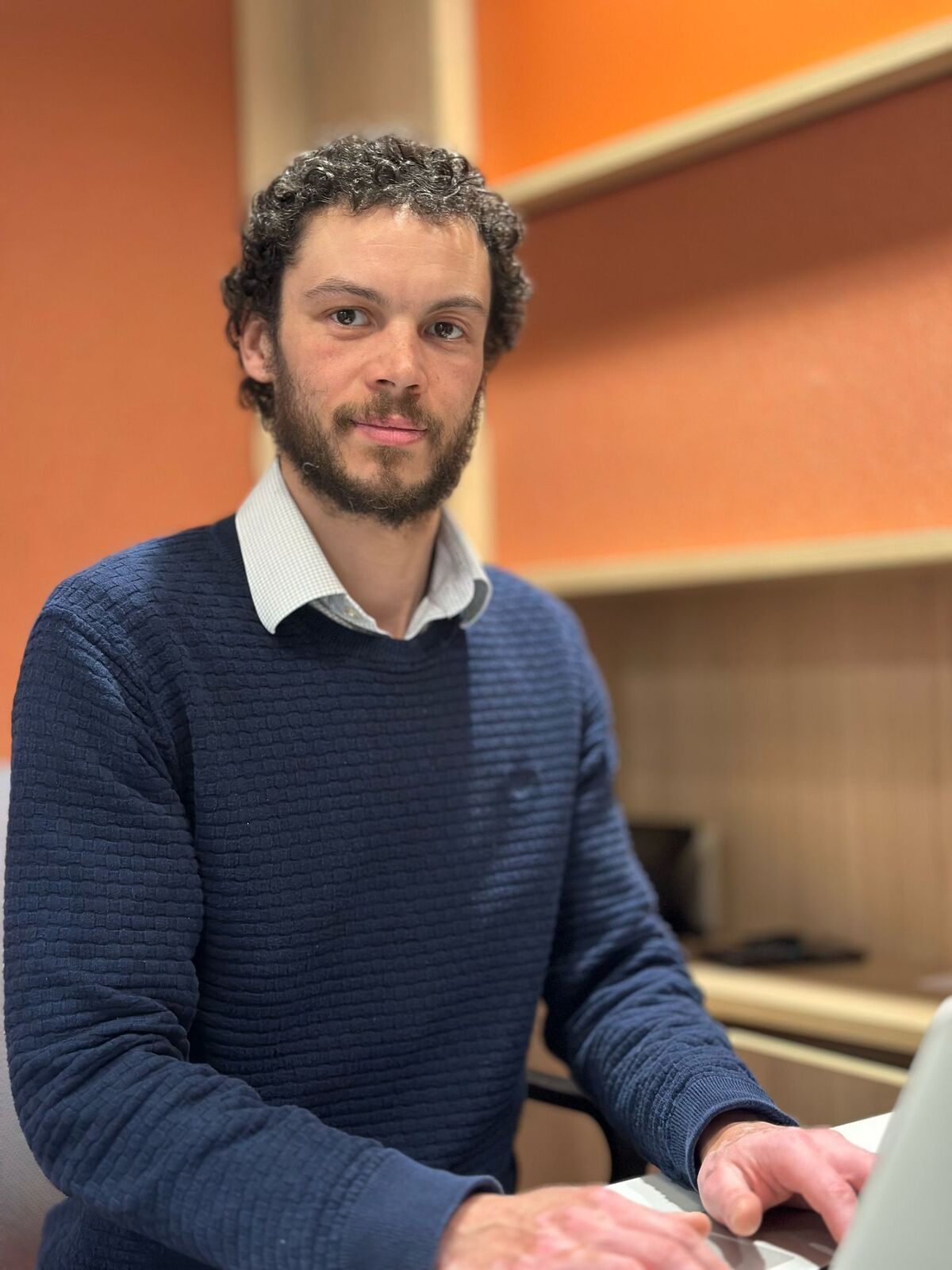
An operational architect for service businesses that have outgrown improvisation.
The Ops Engine is led by Benjamin Beaupierre. The work is deliberately hands-on, deliberately structured, and deliberately built to leave: every engagement is designed so the business owns its own systems, and so someone inside it has been trained to lead the work after I step away.
I'm not a software vendor. I'm not a business coach. I'm not a textbook consultant arriving with a methodology and asking you to fit your business around it. I work with founder-led service businesses at the 10 to 50 person stage, and the work is shaped by what your business is, not by what a framework expects.
What I actually do
I work with founder-led service businesses who feel like they're constantly reacting, leads slipping, follow-ups scattered, processes that change shape depending on who's running them, and no clear sense of what should happen next. Most of the people I work with don't need more software or bigger systems. They need clarity, structure, and something they can actually rely on day to day.
My role is to help you regain control in a way that fits how your business really operates, not how a textbook says it should. I'm deliberately hands-on and practical. We focus on building simple, usable foundations that bring calm and visibility back into the business, without over-engineering, without dashboards nobody opens, without unnecessary complexity.
You'll always know what we're doing, why it matters, and what comes next. There's no jargon, no theatre, and no consultancy-language designed to make the work sound more complicated than it is. If we work together, the goal isn't just to "install a system"; it's to leave you feeling confident, supported, and back in control of your operations.
Why the work is built to leave
Most operational consultancy is structured to continue. The longer the engagement runs, the more it earns. Dependency is, quietly, the business model.
That arrangement doesn't work for me, and it doesn't work for the kind of business I want to build. So the engagement is structured the opposite way. From the first session we identify an internal systemisation candidate, a member of your team who will own ongoing operational development after I leave. They learn the methodology. They take over the tools. They lead the work. By the end of the engagement, the business is no longer dependent on me, and crucially, it isn't dependent on any single person inside it either.
The measure of a good engagement is how little you need me at the end of it.
This is not how most consultancy is structured. It's how I think operational work should be structured. The engagement is the means; your business operating cleanly without me is the end.
The relationship, not the transaction
The typical engagement runs for around twelve months. Some go to six. A few go to twenty-four. That's not because the work needs to take that long in some abstract sense; it's because operational change is a function of adoption, and adoption is a function of time. People need to use the new processes through real situations. The systems need to bend without breaking. The internal candidate needs to lead real sessions, not just observe.
What that means in practice is that we work together for long enough that it stops being a project and starts being a working relationship. I get to know your team. I see how your business actually behaves under pressure, not just how it describes itself in a Blueprint document. You get someone in your corner who knows the operational shape of the business, and who is genuinely invested in the work outlasting our engagement.
I take very few clients at any one time. The retainer is designed around bi-weekly working sessions and quarterly on-site reviews, which means the attention you receive is real. I am not running this business at scale, and I have no intention of doing so. The model only works if every engagement gets the depth it requires.
How I work, honestly
I'm direct. I will tell you what I think your business needs, and what it doesn't. If I don't think the timing is right, or the budget is, or the underlying problem is something other than what we address, I'll say so on the clarity call. Diplomatic dishonesty isn't a service I offer. The people I work with appreciate that, because the alternative, being told something agreeable that doesn't actually fit, wastes their time and money.
I work in plain language. I write things down. I leave proper documentation rather than slide decks. I don't expect anyone to remember what I said three weeks ago; that's what the documents are for. I'm comfortable being challenged. I'd rather you push back than nod politely and ignore the recommendation. Everything is done in service of the business being in better operational shape when I leave than when I arrived.
If any of this resonates, or if you want to test whether it does, the right next step is a clarity call.
Three principles that govern every relationship.
Beyond the methodology and the deliverables, every engagement is shaped by three commitments. These aren't aspirational; they're operational. They govern how I show up to the work, week by week.
Honest assessment
I describe the business as it actually is, not as you would prefer it to be. If something isn't working, you'll hear it from me before you hear it from your team, and you'll hear it directly, without consultancy-language softening the edges.
Calm authority
Operational work is stressful enough without a consultant adding to it. I bring a structured, unhurried way of working into the business. No theatre, no emergency mode, no manufactured urgency. The work moves at a pace the business can absorb.
Built to leave
Every decision, every session, every document is evaluated against one test: does this build internal capability, or does it create ongoing dependency on me? Dependency is always rejected. The engagement is structured to end well.
Send a message, or book a call.
The form below comes directly to me. If you'd rather talk first, the clarity call is the easiest way in. If you'd rather just say hello, that works too.
Send a message
For prospective clients, partners, advisers, or anyone with a question. I read every message personally and reply within one working day.
Book a clarity call
45–60 minutes, founder to founder. The fastest way to assess whether this work fits your business at its current stage.
Mon–Fri, 9am–5pm UK
The Ops Engine operates UK time. I aim to reply within one working day. Calls and visits by appointment only.
Registered office:
Brightfield Business Hub
Bakewell Road, Orton Southgate
Peterborough, PE2 6XU