Benjamin Beaupierre. Founder, The Ops Engine.
The Ops Engine works with founder-led service businesses, typically 10–50 people, where the team has grown faster than the operational infrastructure supporting it. The work is structural: mapping how the business actually operates, building the systems that make it run consistently, and developing internal capability so the engagement can end with operational maturity intact.
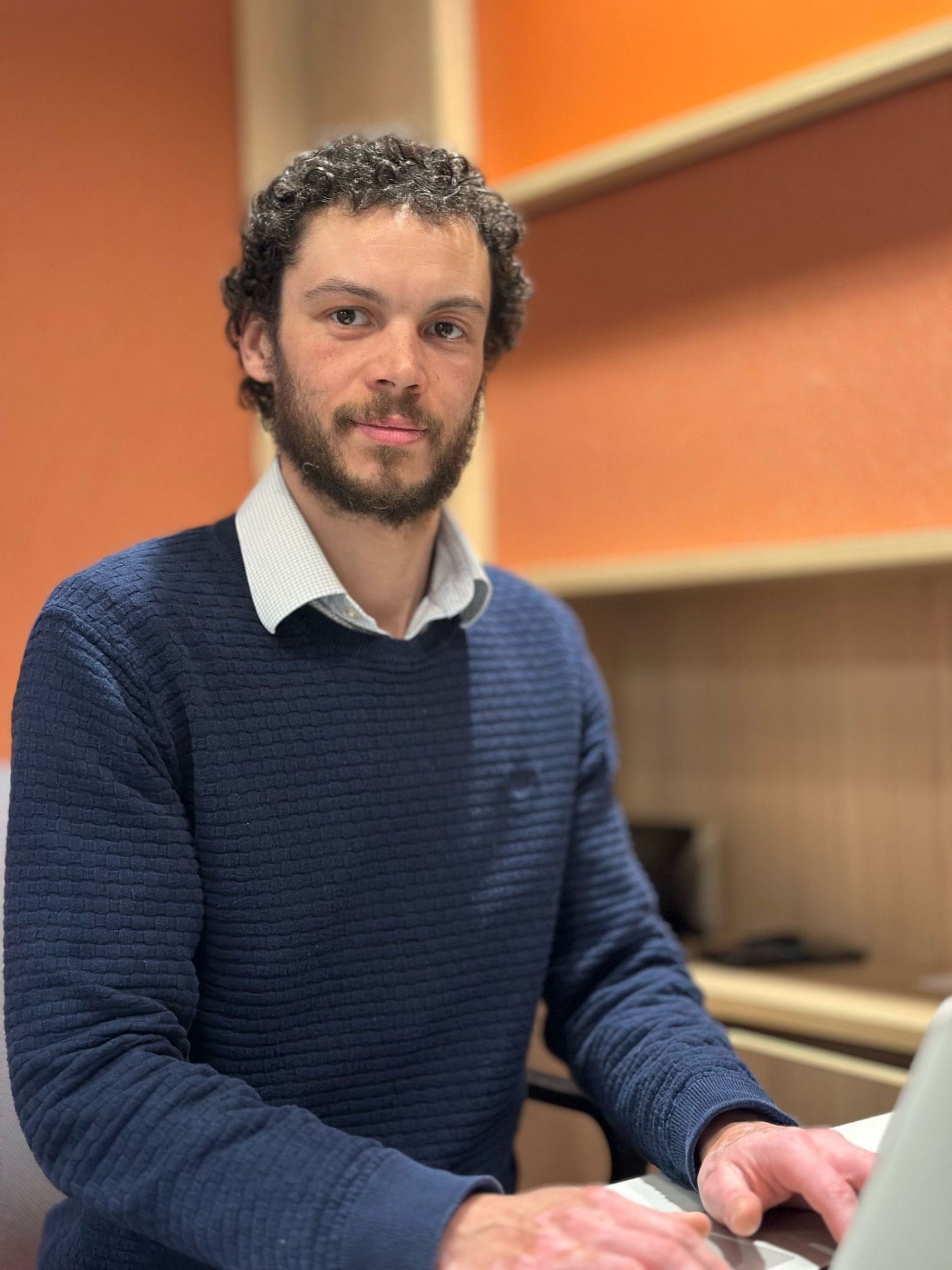
I've spent 25 years working with growing businesses. I've seen a lot of business systems in that time. Some good. Many held together by one spreadsheet that only one person understands. You know the one.
The pattern is almost always the same. The owner is excellent at what they do. The team works hard. The business is successful. But it runs on late nights, workarounds, and a few people who remember how everything fits together.
That isn't a failure. It's what organic growth produces. I built The Ops Engine to fix it, and to leave the business able to keep it fixed without me.
Eight things, plainly stated.
Operational principles that shape every engagement.
I. Businesses scale through systems, not memory.
II. Operational problems are almost always structural, not personal.
III. Visibility changes the quality of decisions.
IV. Knowledge should belong to the business, not the people carrying it.
V. Reliable businesses are engineered, not improvised.
VI. Consultancy should transfer capability, not create dependency.
VII. Software without a mapped process creates expensive confusion.
VIII. The measure of a good engagement is how little you need us at the end of it.
Why the work is built to leave.
Most consultancy is structured to continue. The longer the engagement runs, the more it pays. That is not a moral problem; it is just the structure most advisory work is built around.
The Ops Engine is structured differently. From the first session, the work is oriented toward ending. The Blueprint produces an output that belongs to you. The retainer engagement implements priorities through bi-weekly working sessions, but each session is also a training session, building capability inside the business that the engagement is about to leave behind.
The mechanism is the internal systemisation candidate: a team member identified during the Blueprint and developed during the retainer to own operational development after the external engagement ends. By the close of the engagement, the candidate is doing the work I would otherwise still be doing. The handover is the deliverable.
The measure of a good engagement is how little you need me at the end of it. That is commercially honest in a way that most consultancy is not: the engagement ends because the capability has been transferred, not because you have run out of budget or patience. It is the cleanest version of the work I know how to do.
The relationship, not the transaction.
The Ops Engine does not take on every engagement that comes through. The clarity call is genuine mutual assessment, a conversation about whether the operational situation, the readiness to commit, and the values fit are right for both sides.
This is the inverse of the standard consultancy posture. Most consultancy is structured around closing, the implicit goal of the discovery call is to convert the prospect into a paying client. That posture pushes the consultant toward agreement and the prospect toward defensiveness. It is not how good professional relationships start, and the engagements that begin that way tend to end the same way.
Growth in this practice comes from referrals, alliance partnerships, and the long arc of professional relationships built over years. Not from cold outreach, paid advertising, or sales pressure. The implications of that are practical: honest disqualification when the fit is not right, clear expectations when it is, and a long-term view of what a good professional relationship looks like.
A clarity call that ends in "this is not the right engagement for you" is a successful clarity call. The relationships that matter most are the ones where both sides know what they are committing to before they commit.
How I work, honestly.
An engagement follows the same shape. The Blueprint session, a half-day on-site, produces a structured operational document. The retainer that follows is bi-weekly working sessions, on-site or by video depending on what the work requires, implementing the priorities the Blueprint surfaced. Quarterly on-site reviews check structural progress against the original picture.
What is expected of your team: time, access, and honest answers. The Blueprint cannot map a business that the founder will not let it look at. The retainer cannot implement priorities that the team will not engage with. Operational improvement is collaborative work: it requires you to do things differently, not just to receive recommendations.
What I bring: structured diagnosis, operational experience across multiple sectors, process design capability, and a methodology refined across many engagements. What I do not promise: speed without depth, software that fixes structural problems, or outcomes that depend on you doing nothing differently.
The work is not exciting. It is structural, deliberate, and often quieter than the people doing it expect. That quietness is the point. Reliable operations are not built through urgency.
If this approach resonates, the right next step is a conversation.
A clarity call is the way to begin. No pitch, no obligation, just a structured operational conversation.
Book a Clarity Call